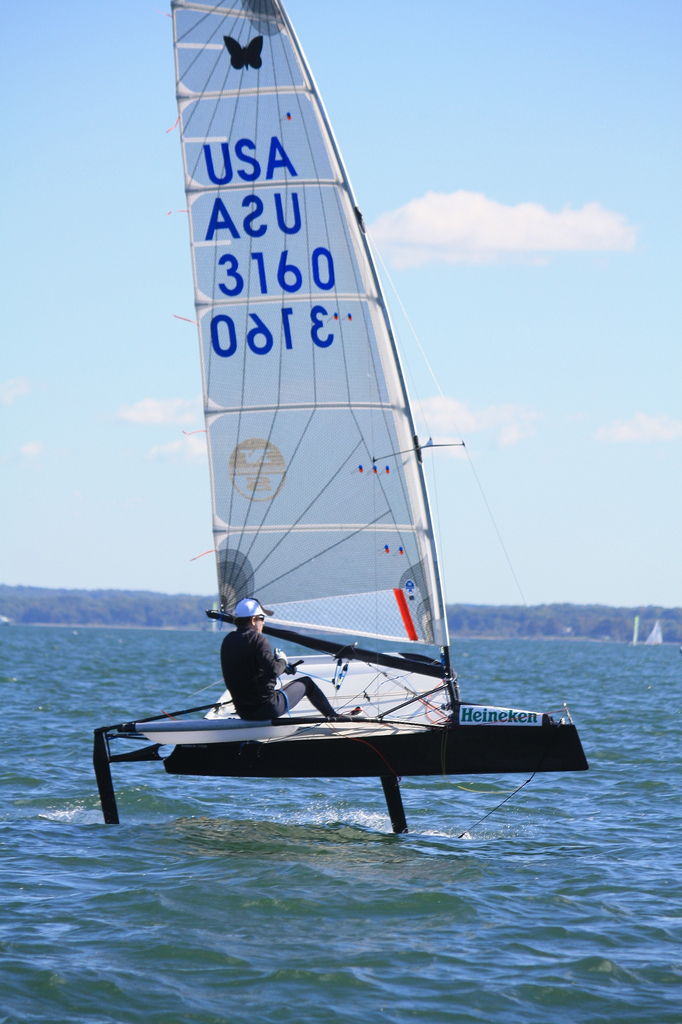
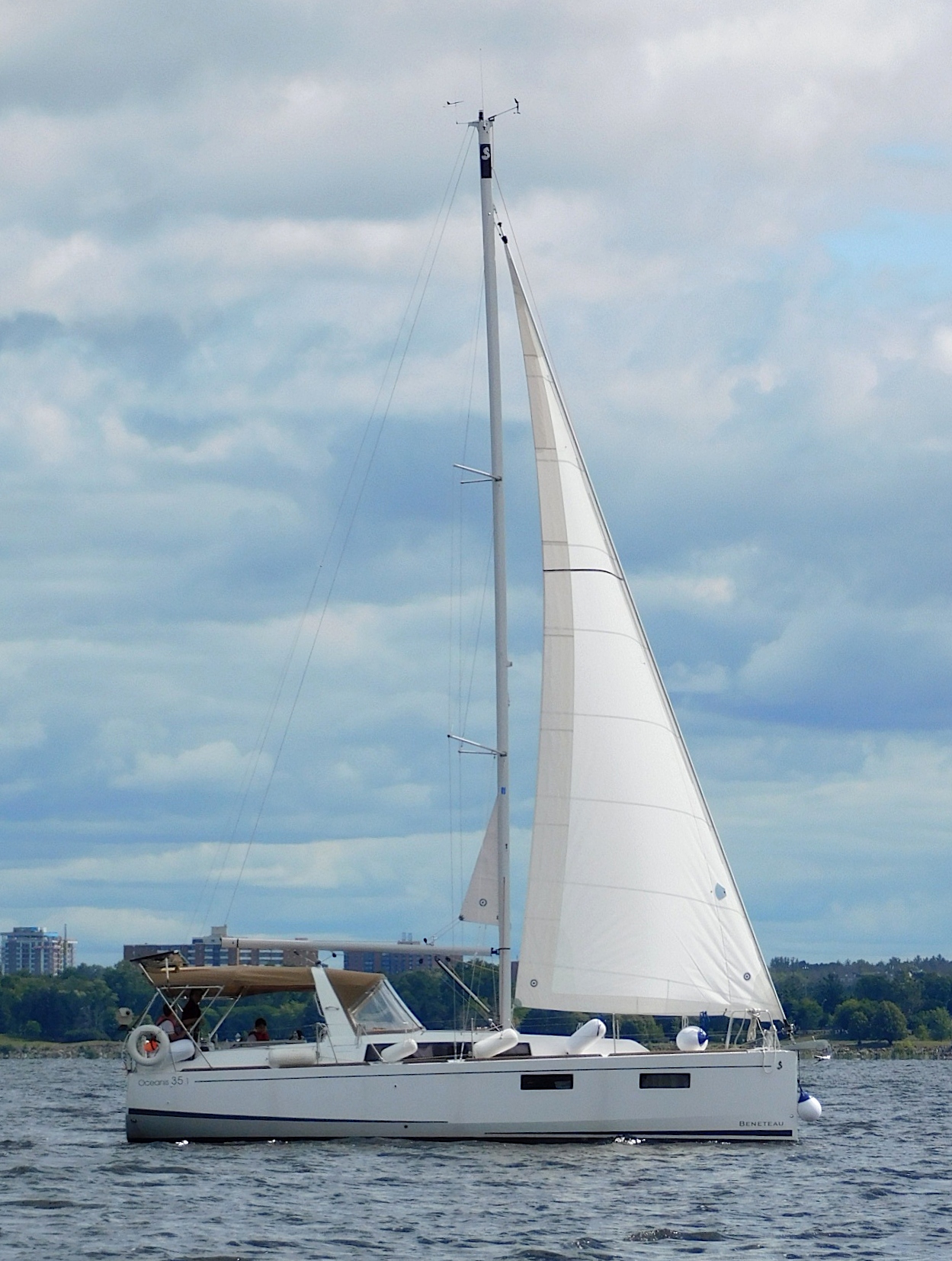
A length needs a definition
Length overall, hull length and waterline length are different measurements. An overall figure may include projections that a hull-only dimension excludes, while the waterline records the part intersecting the water in a stated condition. Bowsprits, platforms and measurement conventions can therefore make two “40-foot” boats quite different. Read the accompanying definition instead of treating the model number as a ruler.
Waterline length also changes with loading and trim. A brochure dimension is not a permanent outline of the moving waterline when the boat heels, pitches or carries additional stores. Formal racing measurements specify conditions precisely to make comparison possible.
Beam, draft and air draft
Beam is width, but hull beam and overall platform beam need not be the same on a multihull. Draft is the vertical distance from the waterplane to the lowest part of the boat. Retracting boards, keels or rudders may create several relevant draft values. Air draft describes the height above the water to the relevant upper point, often the masthead installation.
A folding trimaran is a clear example of why paired measurements matter. The Corsair 880 lists open and folded beam, and draft with the daggerboard raised and lowered. One value cannot describe both the sailing platform and its transport configuration.
Displacement is a loading condition
A floating boat displaces a weight of water equal to its total weight. The published number still needs context: hull-only weight, dry weight, light displacement and loaded displacement can include different equipment and contents. Check the maker’s definition. Fuel, fresh water, people and cruising equipment must not disappear from the comparison merely because they are absent from a brochure’s baseline.
Ballast is a component of the total, not an alternative total. A ballast ratio without the ballast’s position, hull form and loading condition is an incomplete stability description. Gross tonnage, when encountered in registration documents, is not a synonym for displacement mass.
Sail area: which sails?
An upwind sail-area figure often combines mainsail and a specified headsail. A spinnaker is generally listed separately; adding every sail in the inventory produces a number the boat never carries at once. Actual sail shape also matters: roach and headsail overlap mean that simple triangle estimates need not equal measured cloth area.
I and J describe the foretriangle; P and E describe key mainsail dimensions. They help explain a plan, but are not a substitute for measuring a sail or reading the relevant class and rating definitions.
Turn the brochure into a fair comparison
Record units, measurement basis, options and source date next to each figure. Compare the same keel and rig versions, and identify whether figures are limits, design values or measurements. Ratios can suggest design emphasis, but no single ratio proves comfort, seaworthiness or speed. A smaller set of clearly defined numbers is more useful than a large table of incompatible specifications.
Sources & further reading
Technical details are based on the sources below. Our explanations are original editorial analysis, not a hands-on sea trial.
- World Sailing — Equipment Rules, boat dimensions and measurement sailing.org
- UK Sailmakers — Hull and displacement uksailmakers.com
- UK Sailmakers — Rig dimensions uksailmakers.com
- Corsair Marine — Open/folded beam and board-up/down draft example corsairmarine.com
- BENETEAU — Oceanis 37.1 measurement and configuration example beneteau.com
- IMO — Tonnage measurement and enclosed volume imo.org
Photography
Sources checked: . Specifications may vary by year, rig and configuration; follow the definitions used by each source.