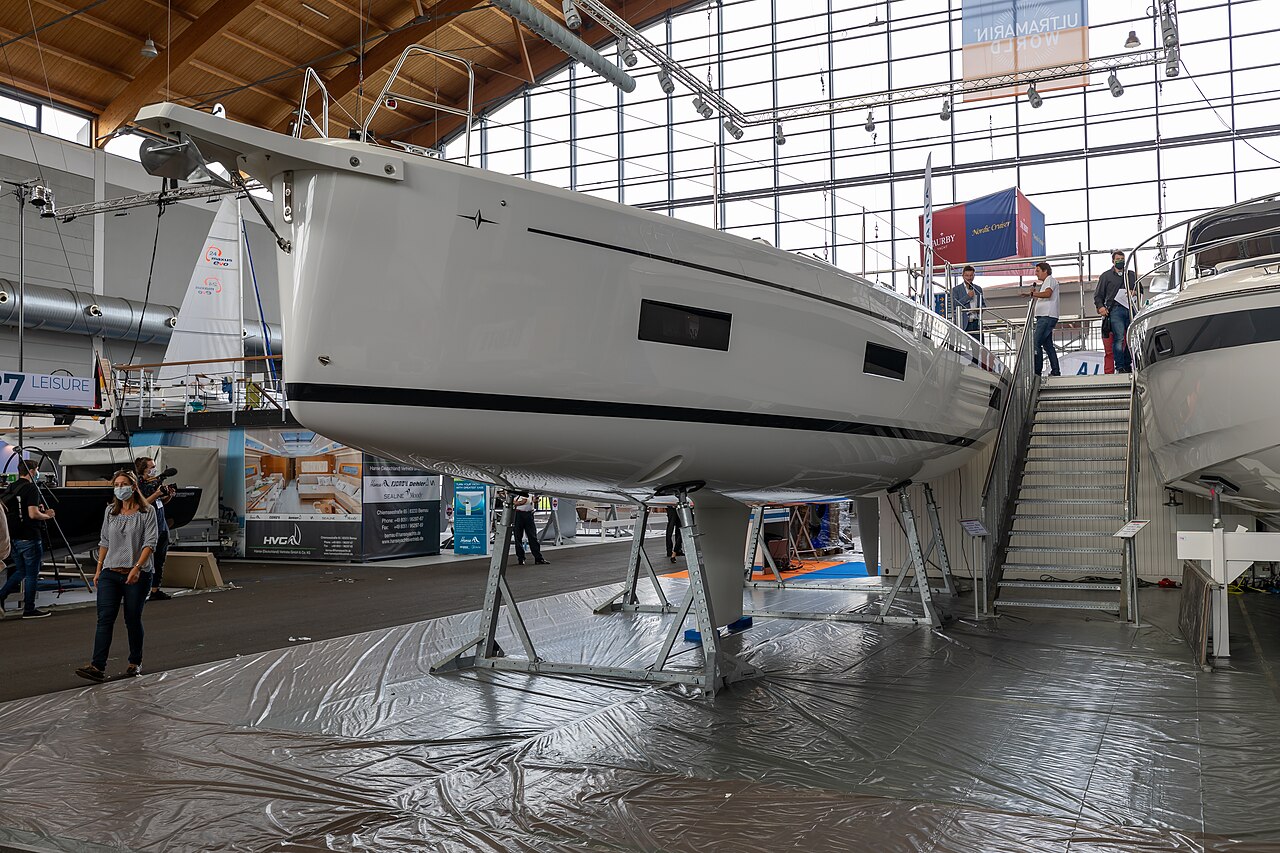
Matti Blume / Wikimedia Commons · CC BY-SA 4.0
Boat profiles · 2 min read
Bavaria C42
Bavaria’s broad 42-foot cruising yacht combines a chined hull, V-shaped bow and self-tacking headsail with two- or three-cabin accommodation.
 SAILING LIBRARY
Real sailboats, original explanations, and technical facts traced to manufacturers and class associations. Start with a boat, a hull type, or a question.
Matti Blume / Wikimedia Commons · CC BY-SA 4.0
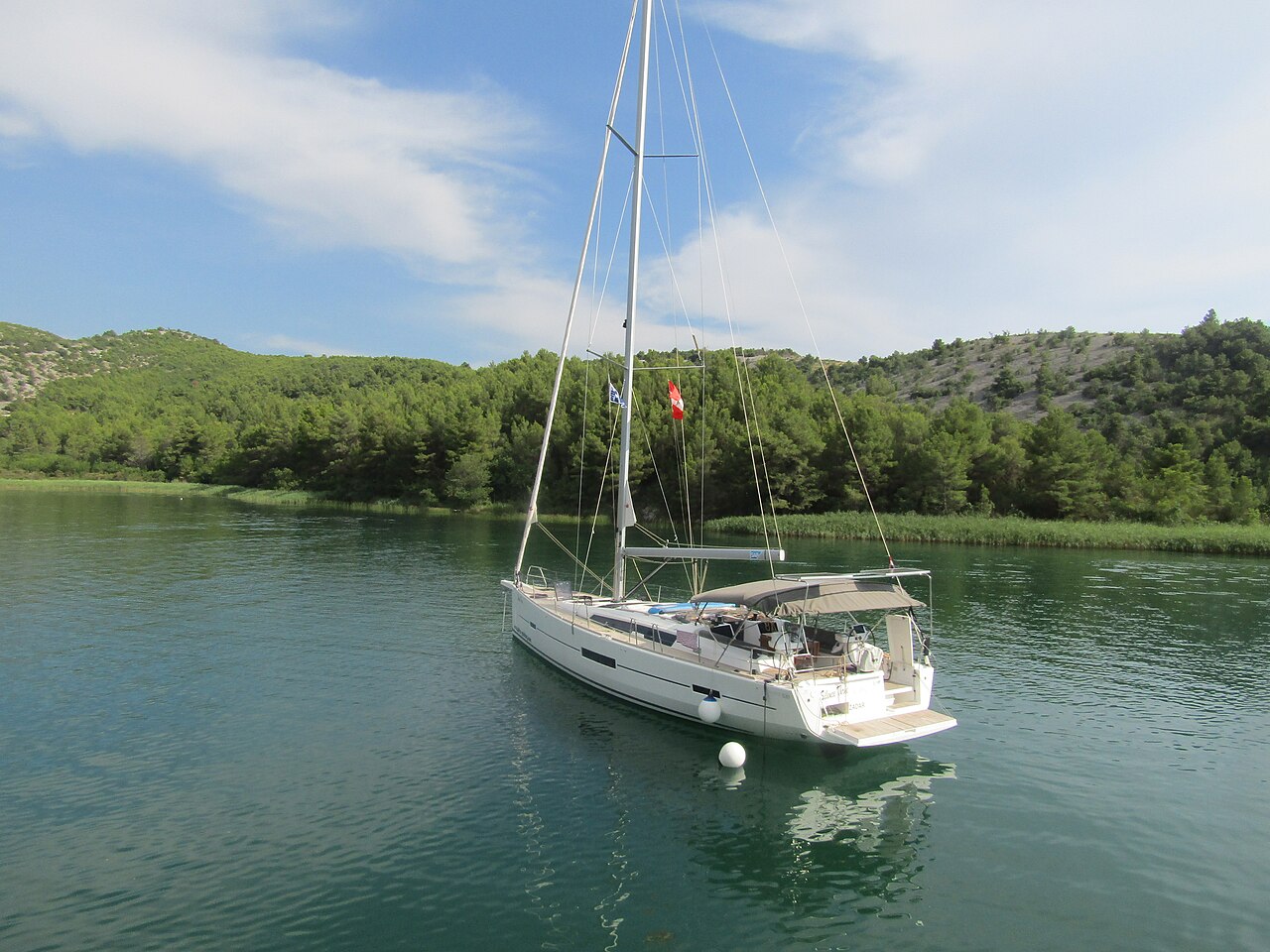
Bavaria’s broad 42-foot cruising yacht combines a chined hull, V-shaped bow and self-tacking headsail with two- or three-cabin accommodation.
Ahunt / Wikimedia Commons · CC0
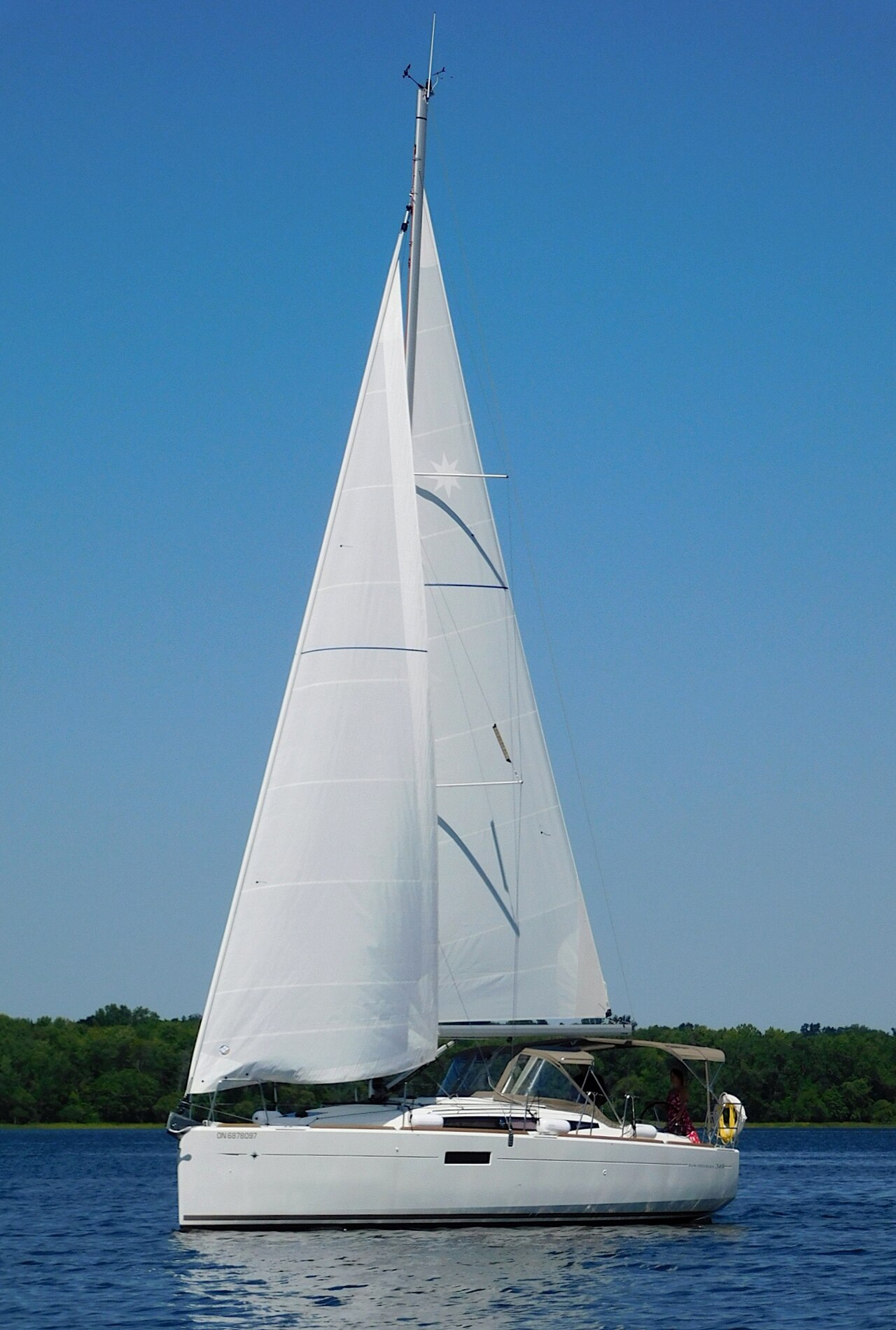
A compact Marc Lombard cruising design with twin wheels, alternative keel configurations and two- or three-cabin layouts.
HanseYachts Greifswald / Wikimedia Commons · CC BY-SA 4.0
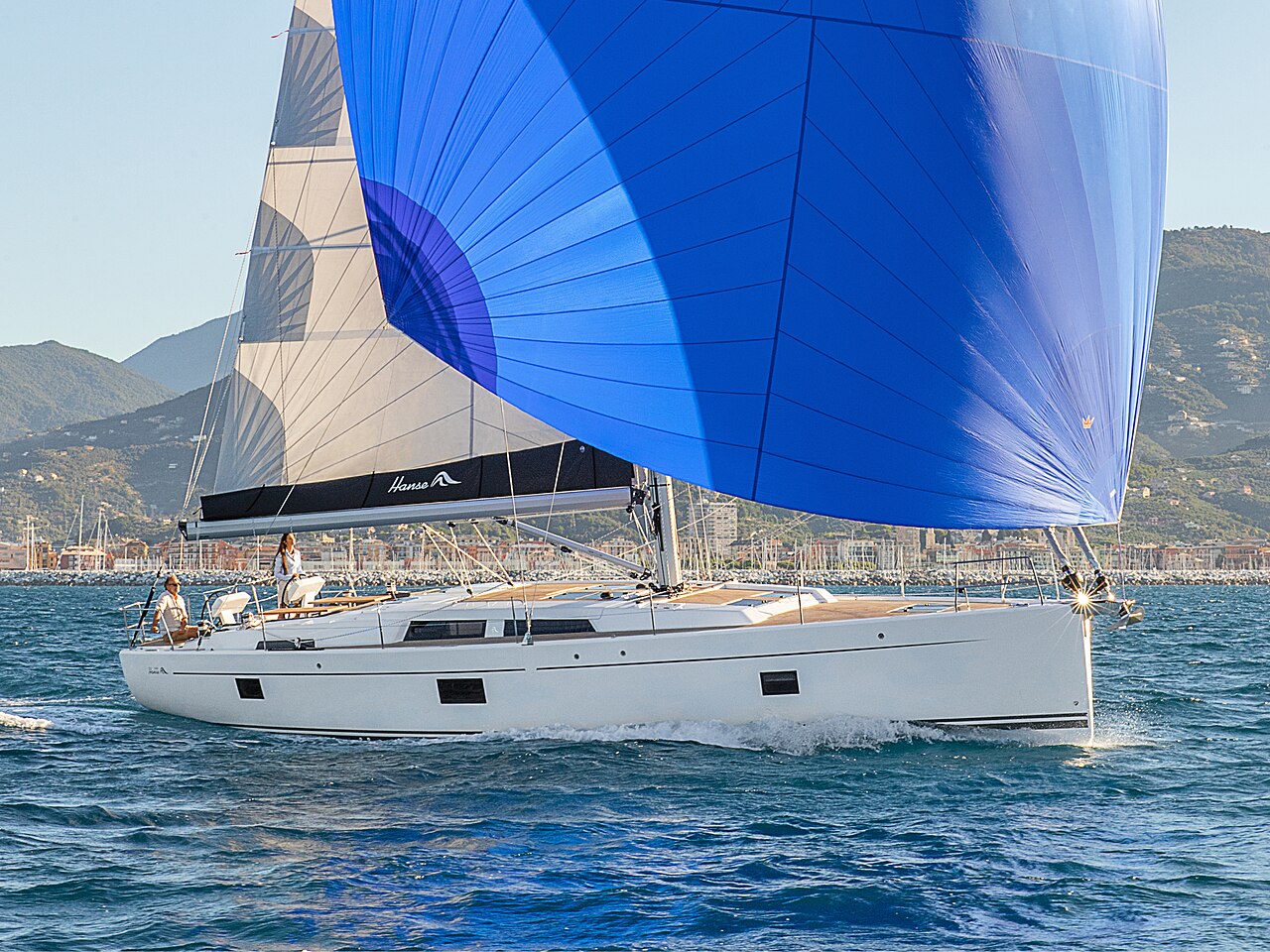
A large Judel/Vrolijk cruising yacht with a self-tacking jib, twin helm stations and a wide range of interior layouts.
Fiver, der Hellseher / Wikimedia Commons · CC BY-SA 4.0
A Felci-designed cruising monohull that connects a large cockpit, adaptable stern platform and several interior arrangements in one 52-foot family.
Ahunt / Wikimedia Commons · CC0
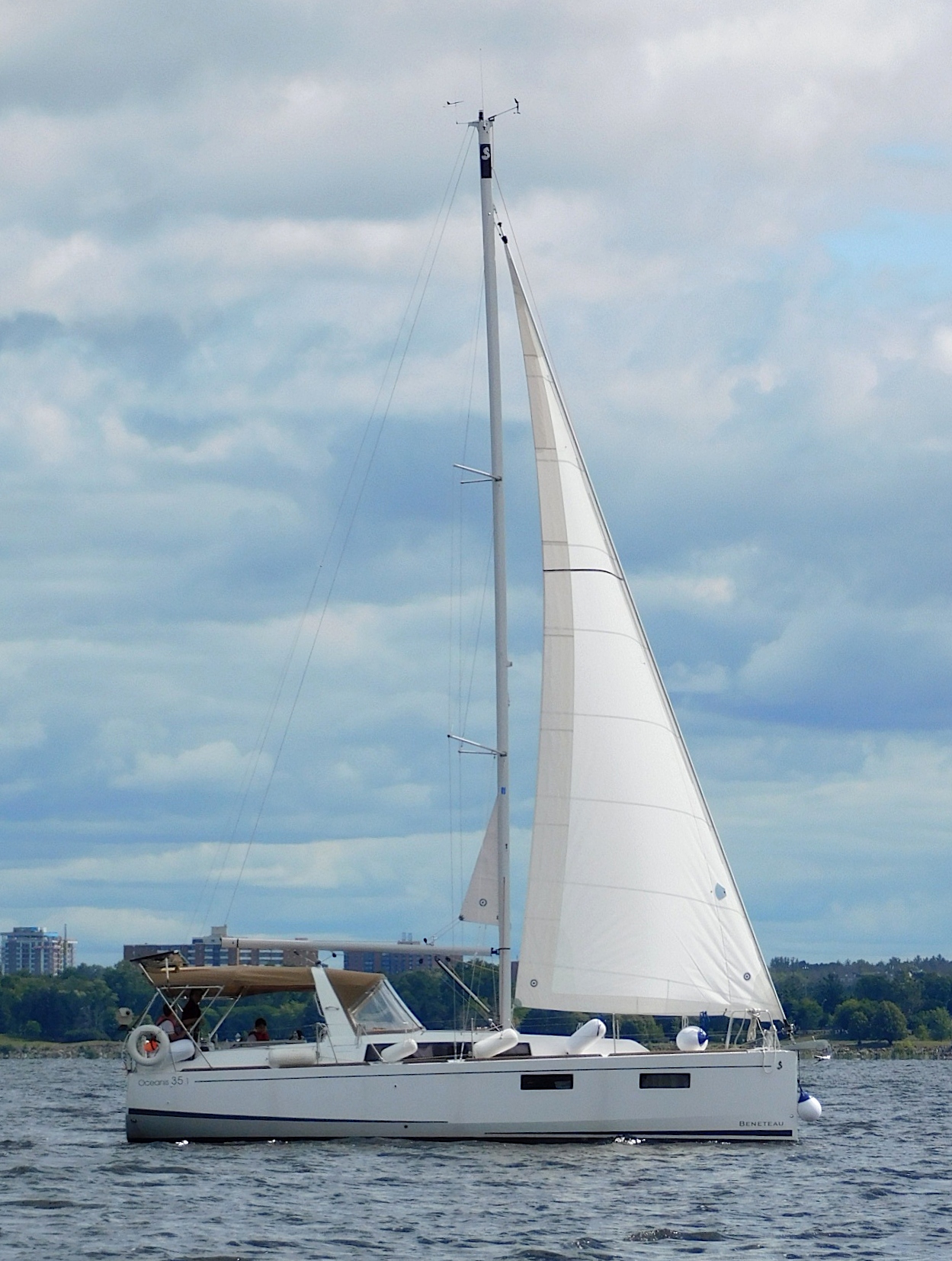
A cruising monohull with twin rudders, alternative keel configurations and layouts that trade cabin count against storage and living space.
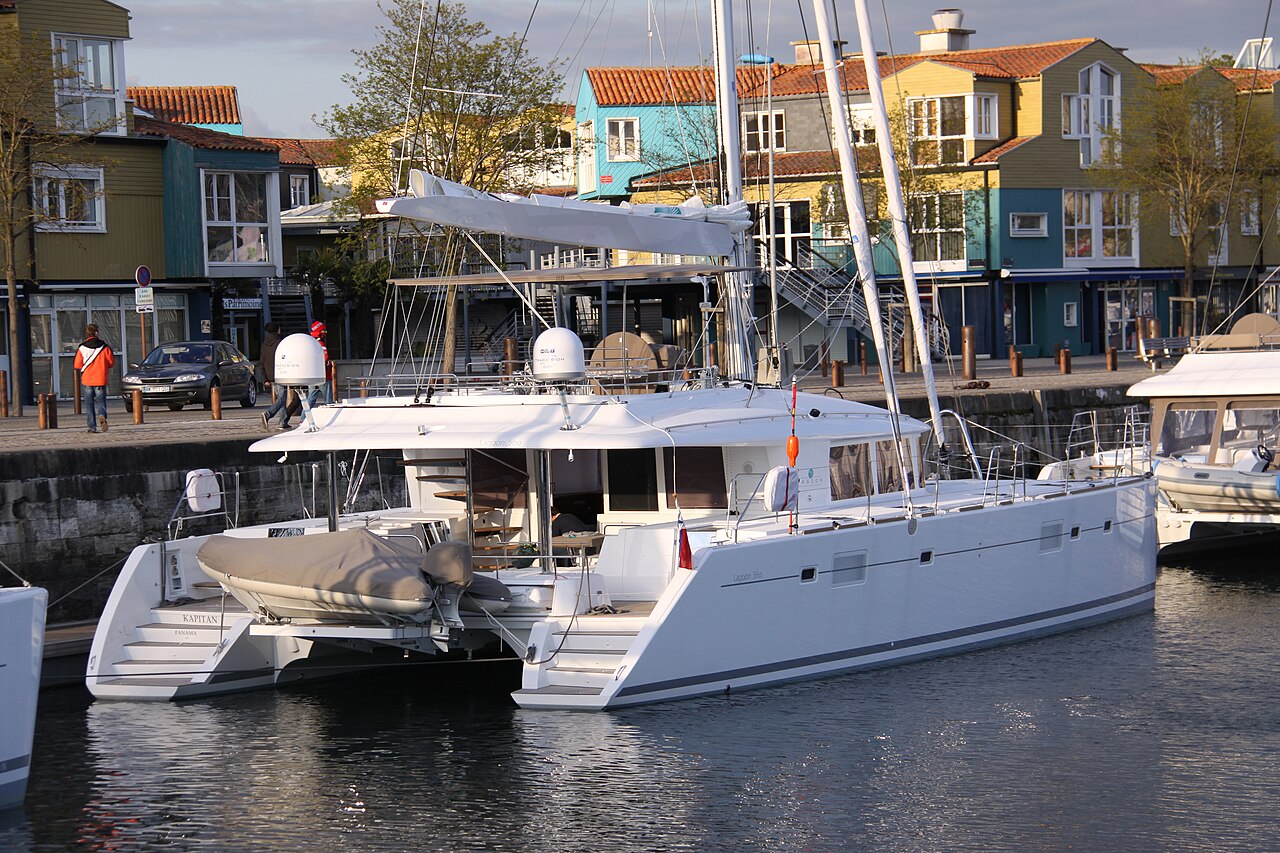
Jpbazard / Wikimedia Commons · CC BY-SA 3.0
A large cruising catamaran whose wide platform connects separate accommodation hulls, a central saloon, cockpit and elevated flybridge.
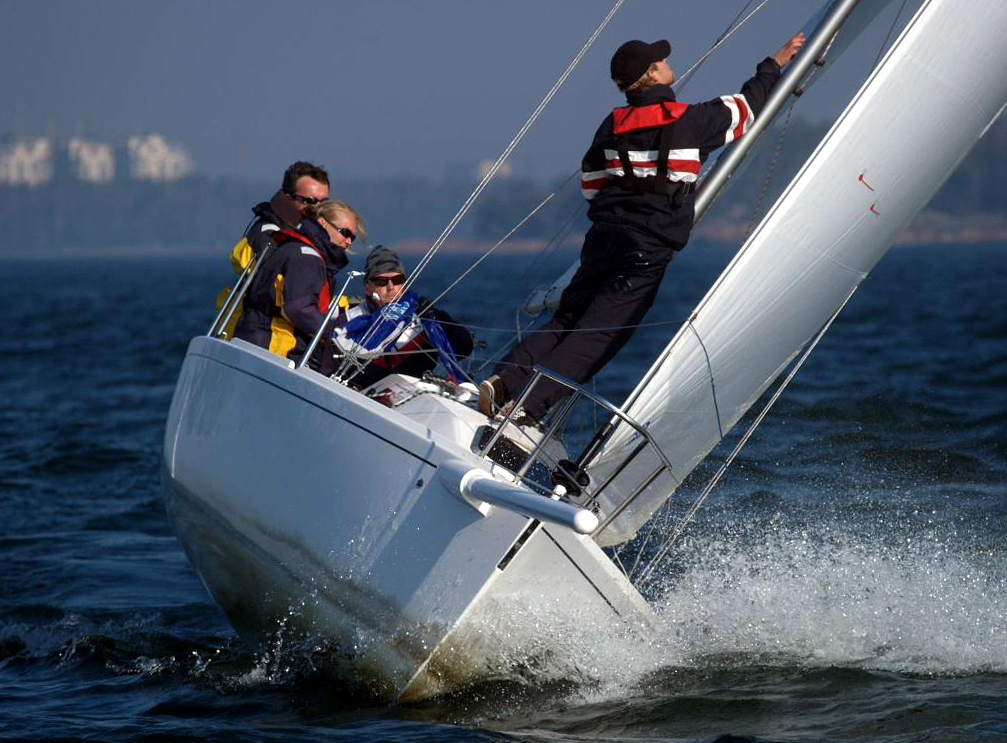
Hanninen Markku / Wikimedia Commons · CC BY-SA 2.5
An 8 m one-design keelboat that pairs a fixed ballast keel with a large cockpit and an asymmetric spinnaker on a retractable bowsprit.
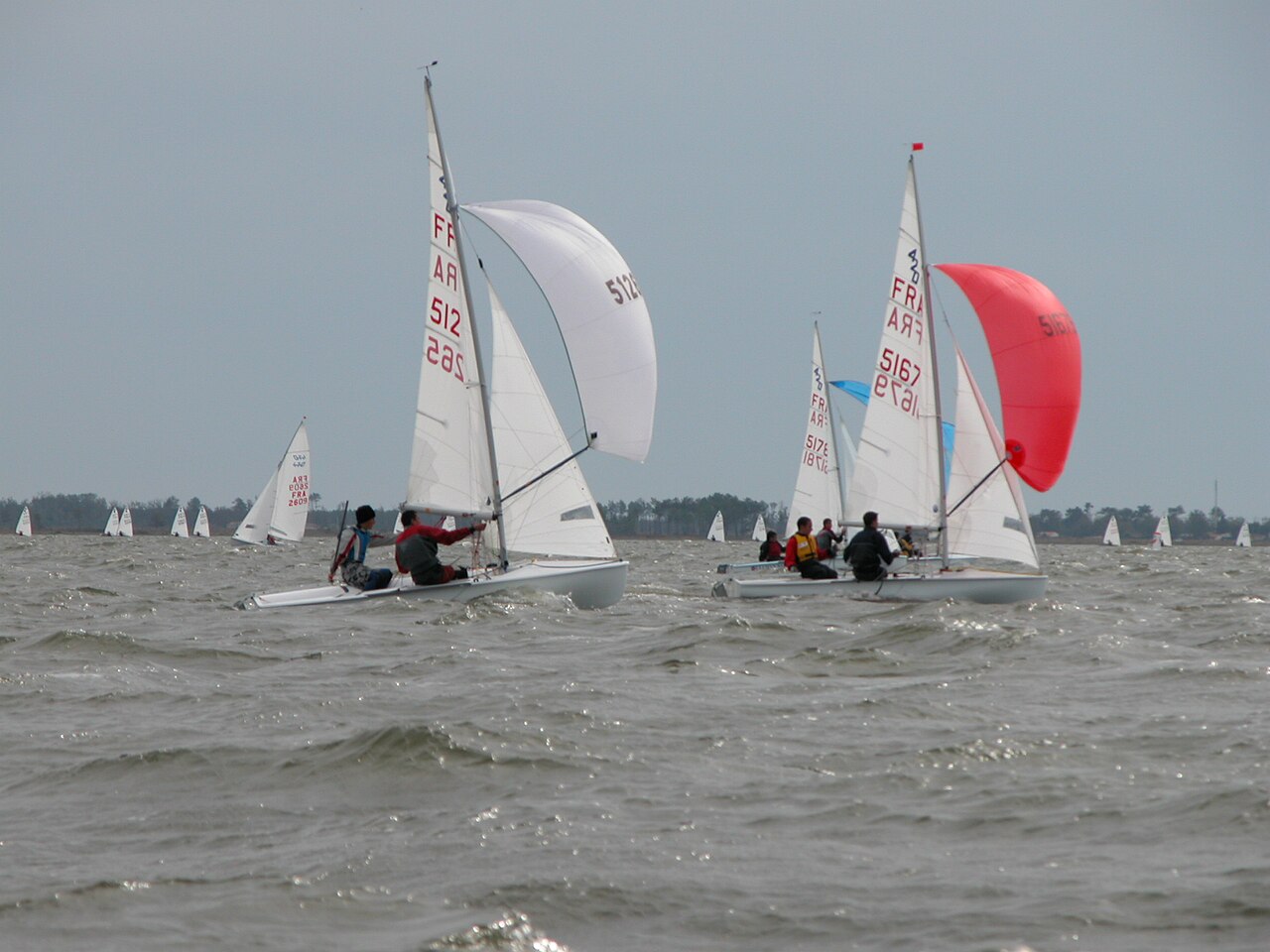
BS / Wikimedia Commons · CC BY 2.5
A two-person dinghy that brings together trapeze balance, a three-sail inventory and precise teamwork in a compact hull.
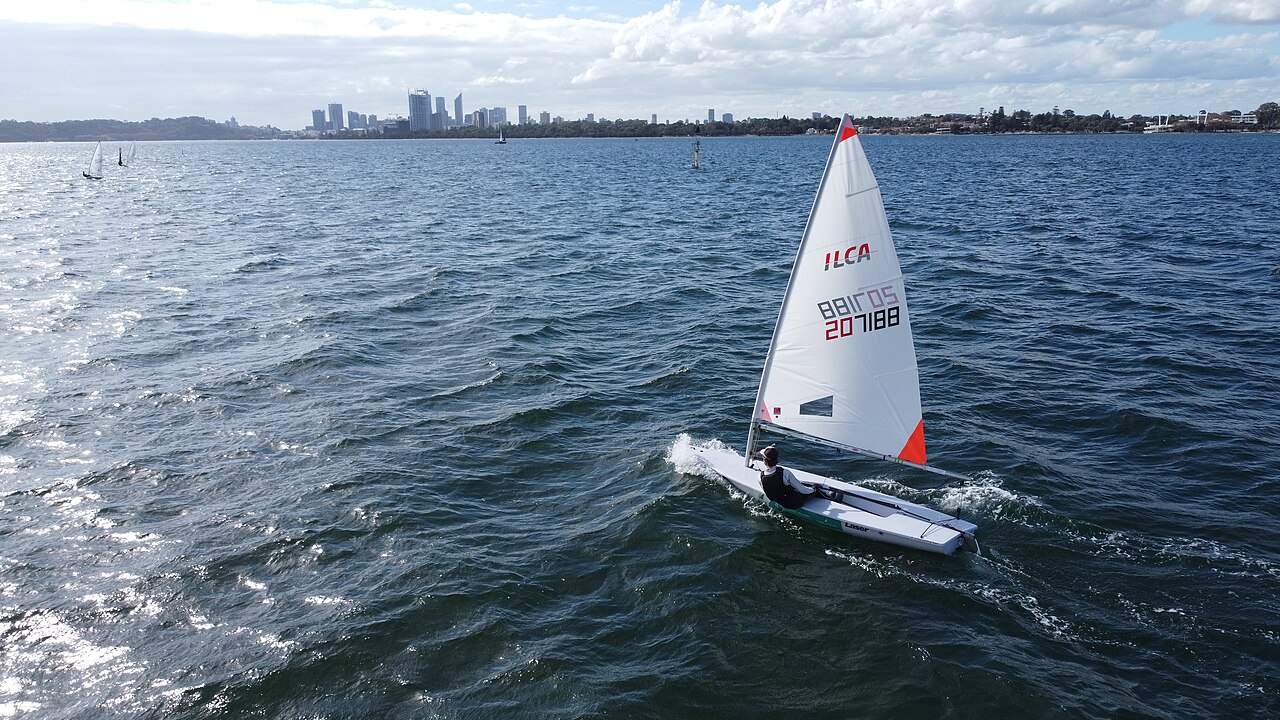
JamesBromberger / Wikimedia Commons · CC0
One familiar hull, three recognised rig sizes: the ILCA makes sail control, balance and individual decision-making unusually visible.
Carter Kramer / Wikimedia Commons · CC BY 2.0
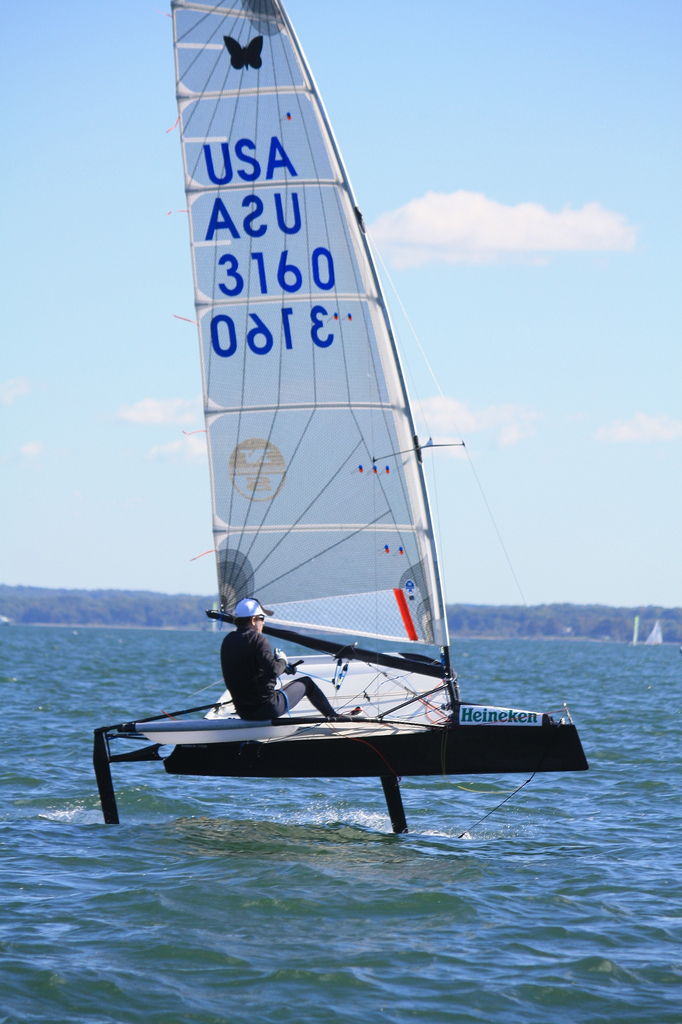
An open development class where compact dimensions meet hydrofoil design, with both foiling and non-foiling boats in its history and fleet.
Lulevich / Wikimedia Commons · CC BY-SA 4.0
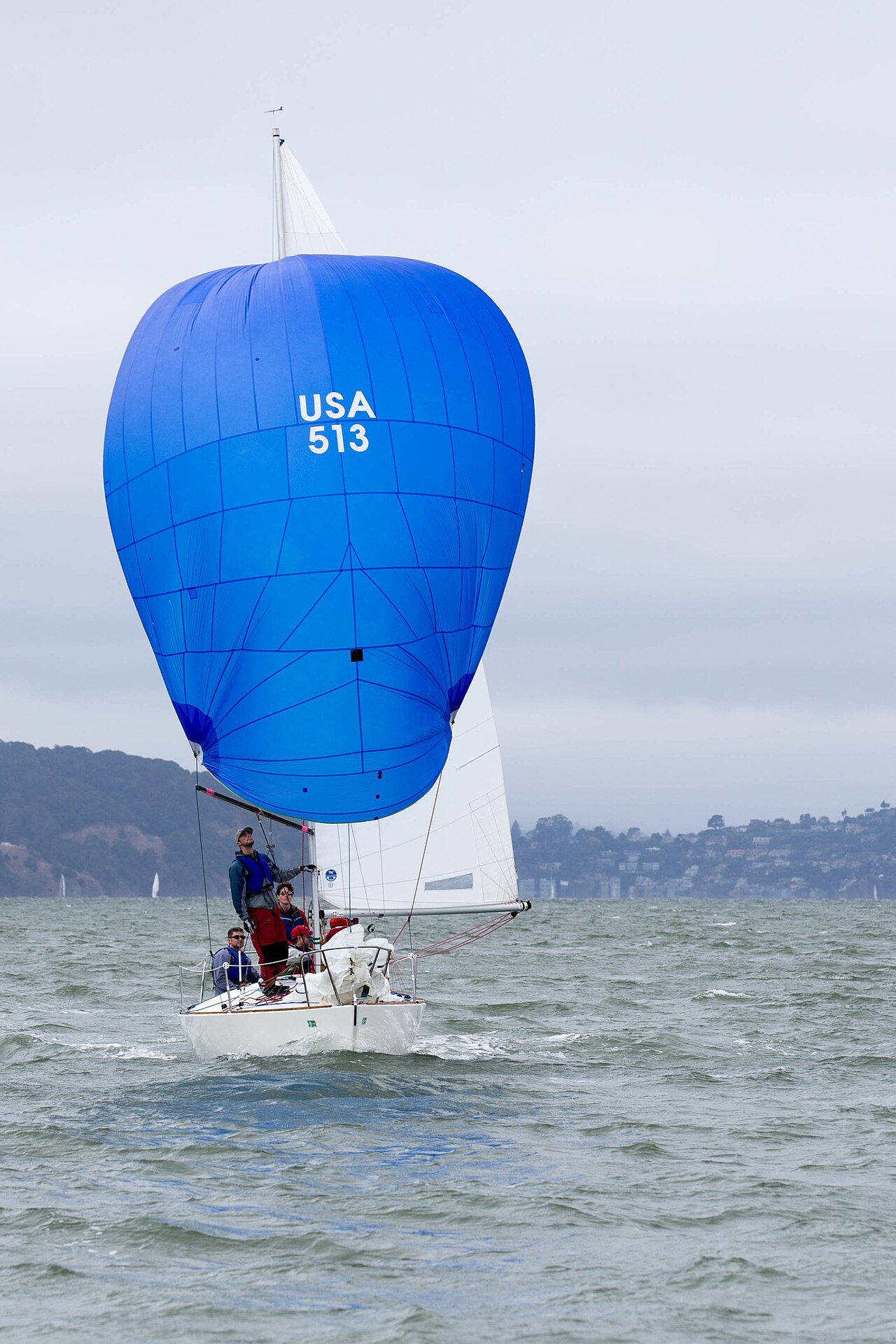
A compact one-design keelboat with a conventional spinnaker pole, overlapping headsail options and a cabin beneath its working deck.
Remi Jouan / Wikimedia Commons · CC BY-SA 3.0
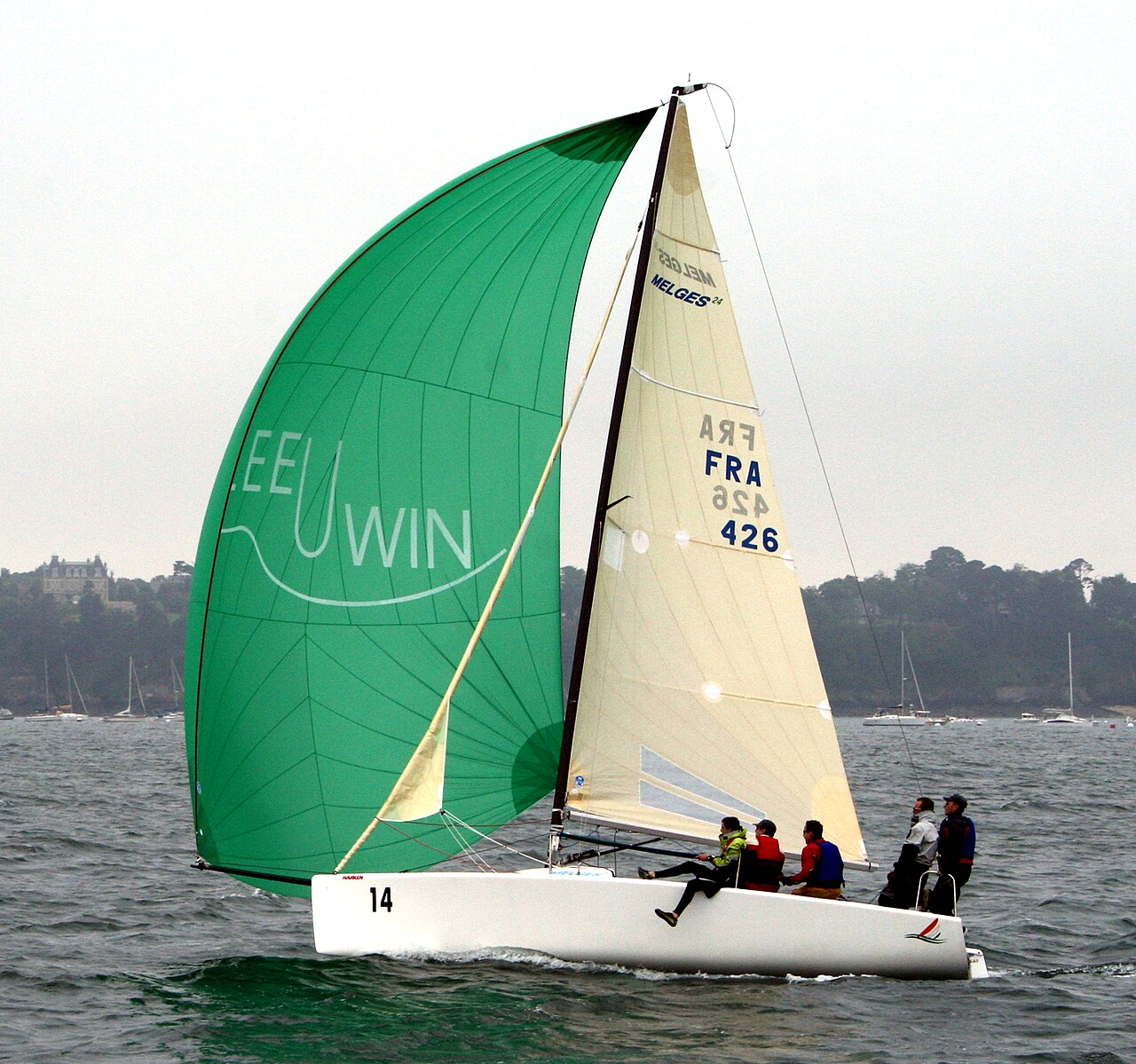
A light one-design sportboat whose asymmetric spinnaker, carbon rig and lifting-keel arrangement make crew coordination central to its design.
Jug81 / Wikimedia Commons · CC BY-SA 4.0
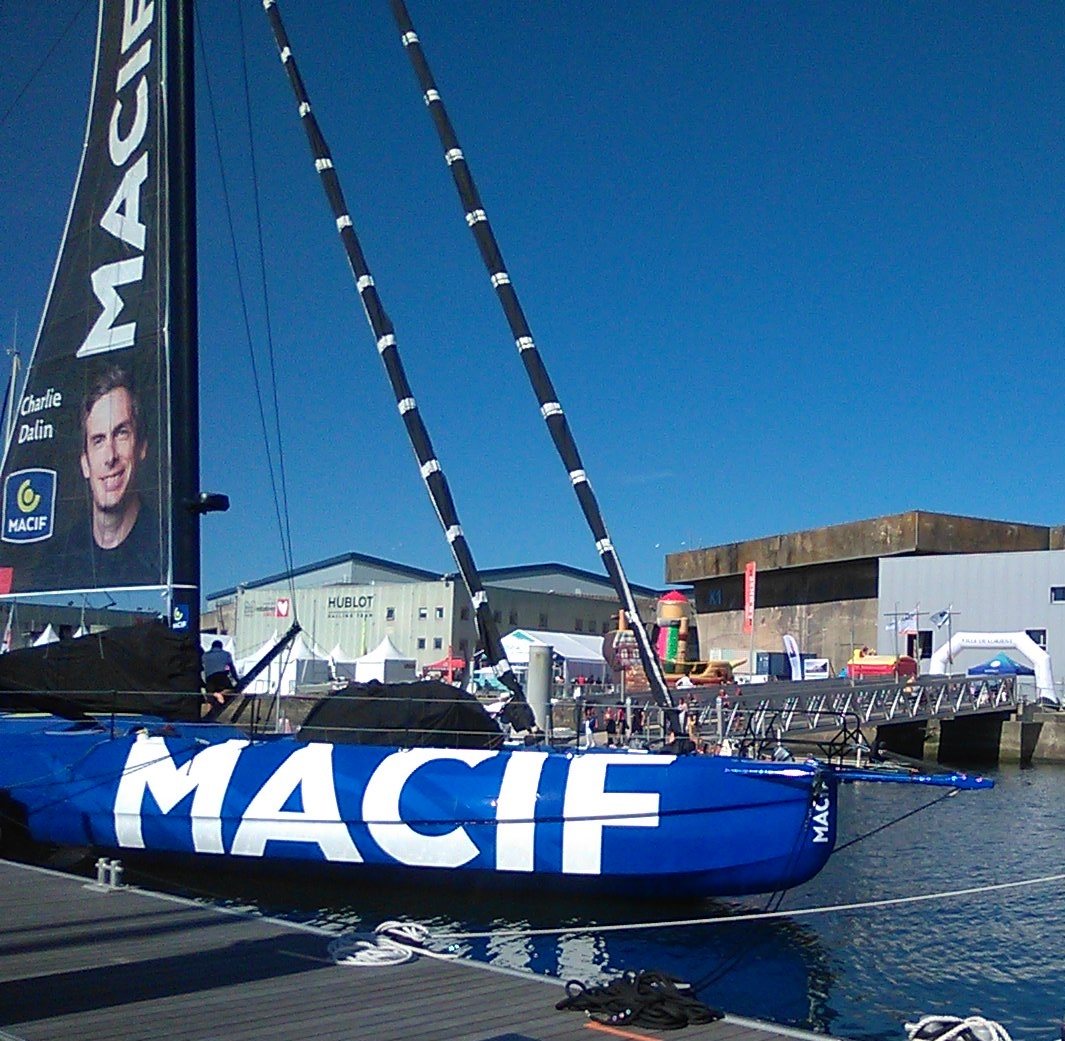
A rule-defined family of 60-foot offshore racing prototypes, combining design freedom with demanding limits on dimensions, appendages and safety.
Ahunt / Wikimedia Commons · CC0
A beach catamaran with two asymmetric hulls, a trampoline platform and double trapeze, designed around sailing without daggerboards.
No matches. Try a boat name or a different sailing term.