Technical specifications
| Length overall | 4.23 m |
|---|---|
| Beam | 1.37 m |
| Nominal hull weight with fittings | 58 kg |
| ILCA 7 sail area | 7.06 m² |
| ILCA 6 sail area | 5.76 m² |
| ILCA 4 sail area | 4.70 m² |
One hull, different rigs
The ILCA is the single-handed dinghy historically known as the Laser. Its three recognised rigs use a common hull but different sail sizes and lower-mast arrangements. ILCA 7, ILCA 6 and ILCA 4 therefore describe different configurations, not three lengths of boat. The class handbook lists the sail areas individually; using the ILCA 7 figure for every boat carrying the familiar class emblem would hide an important distinction.
The common platform makes comparison useful. The hull, centreboard and rudder remain familiar while the amount of sail changes. It is the configured boat and sailor together that determine how the available power can be controlled.
Controls that reward precision
There is no jib or spinnaker to delegate. The sailor must steer, trim the mainsail and balance the boat at the same time. Outhaul, Cunningham and boom vang alter different aspects of sail shape and leech tension. Hiking extends the sailor’s weight outboard; fore-and-aft movement changes how the hull meets the water. These are coupled controls: a steering correction can disturb balance, while excessive heel can call for a change in both sheet and body position.
That relationship helps explain why a visually simple boat can support sophisticated racing. Fewer sails do not mean fewer decisions.
One-design means controlled change
The class rules use a restrictive principle: alterations are allowed only where the rules permit them. This makes approved equipment and its permitted arrangement part of the boat’s identity. An everyday sailing replacement may fit physically yet still fall outside class racing requirements. The current rules and builder approvals matter more than an old photograph or a generic hardware description.
For a newcomer reading technical material, the useful question is not only “which sail is smaller?” but also “which approved rig and equipment set does this event use?” The answer connects a boat description to actual class participation.
Interpreting weight and photographs
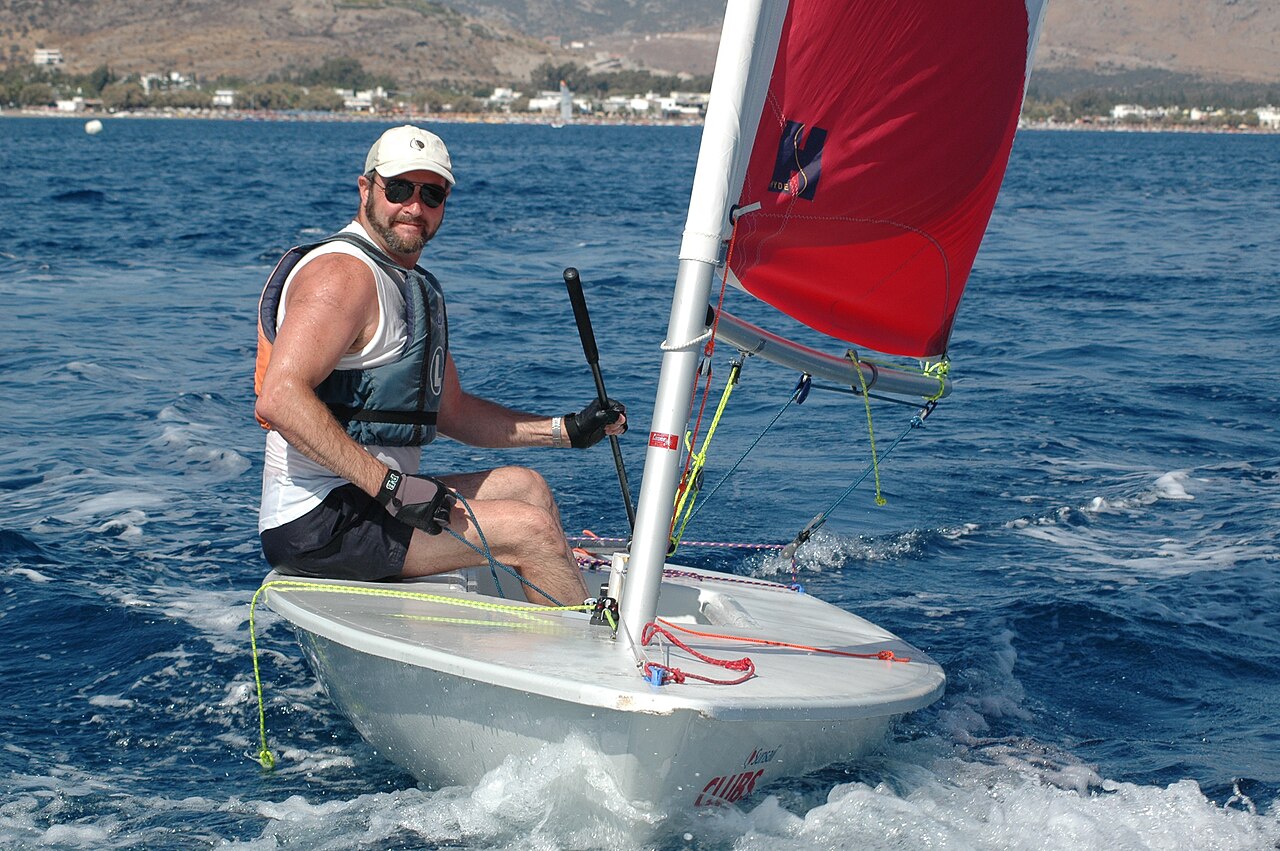
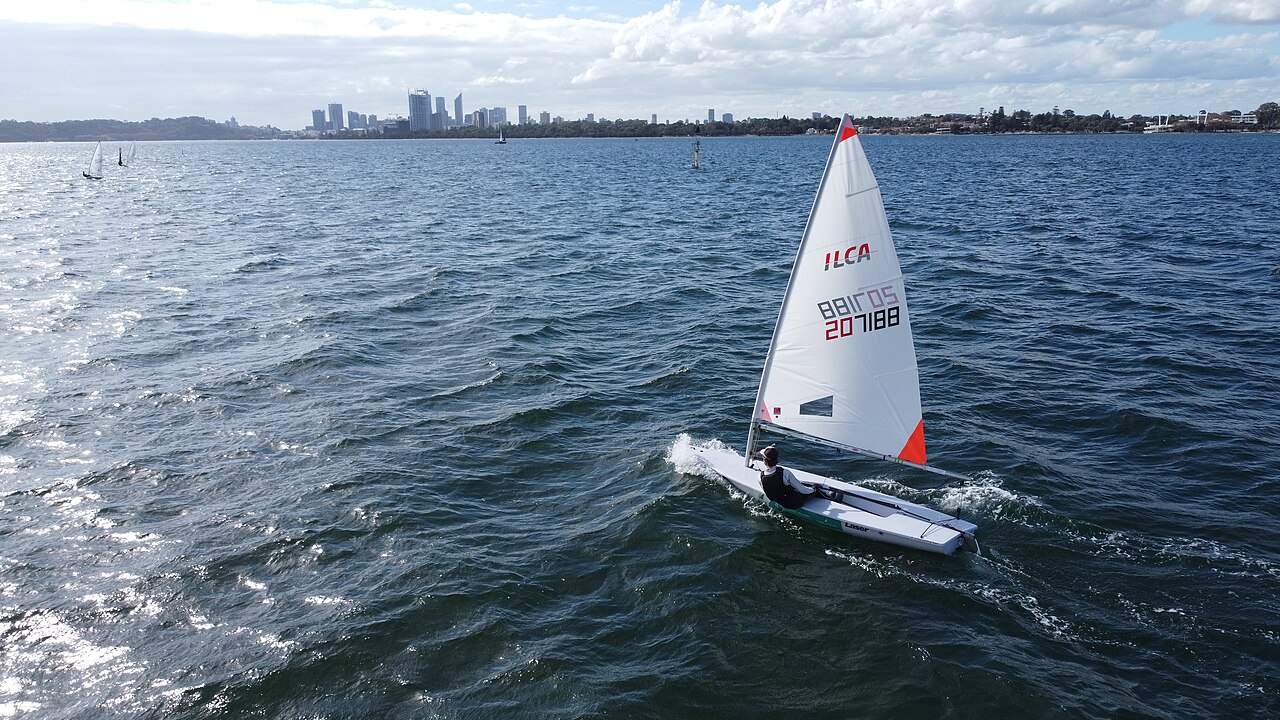
The handbook’s 58 kg nominal figure is labelled with fittings; it is not an all-up sailing weight including sailor and every rig component. The photograph here shows an ILCA 4 / Laser 4.7 configuration, so it should not be read as a picture of the larger ILCA 7 sail. No single crew-weight band or universal wind threshold is asserted here: rig selection is a coaching and event-context decision, not something established by hull length alone.
Sources & further reading
Technical details are based on the sources below. Our explanations are original editorial analysis, not a hands-on sea trial.
- ILCA — 2024 class handbook and boat diagram laserinternational.org
- ILCA Sailing — class rules and one-design principle ilcasailing.org
Photography
Sources checked: . Specifications may vary by year, rig and configuration; follow the definitions used by each source.