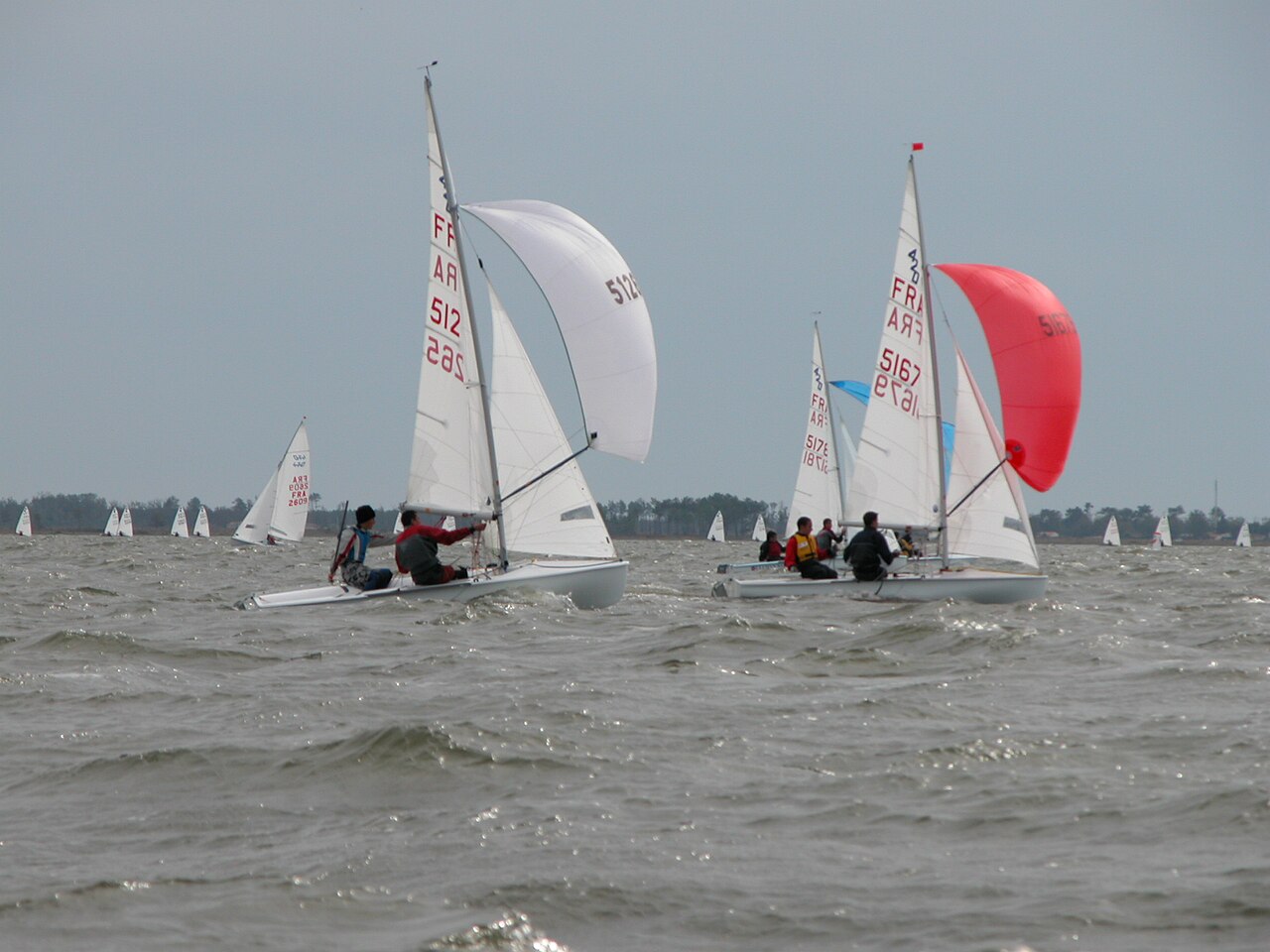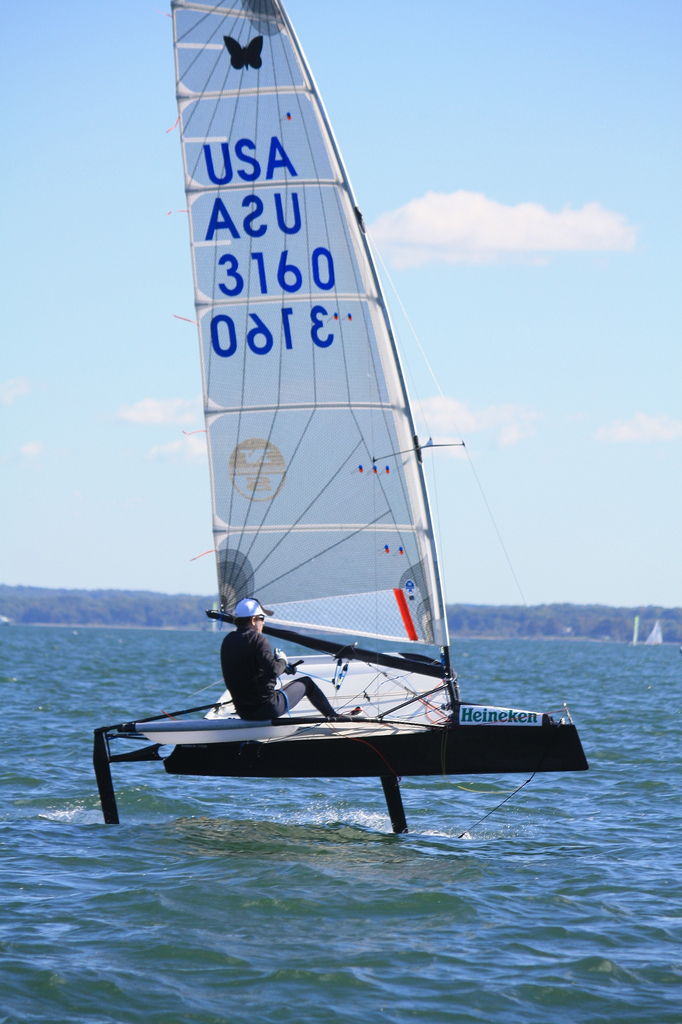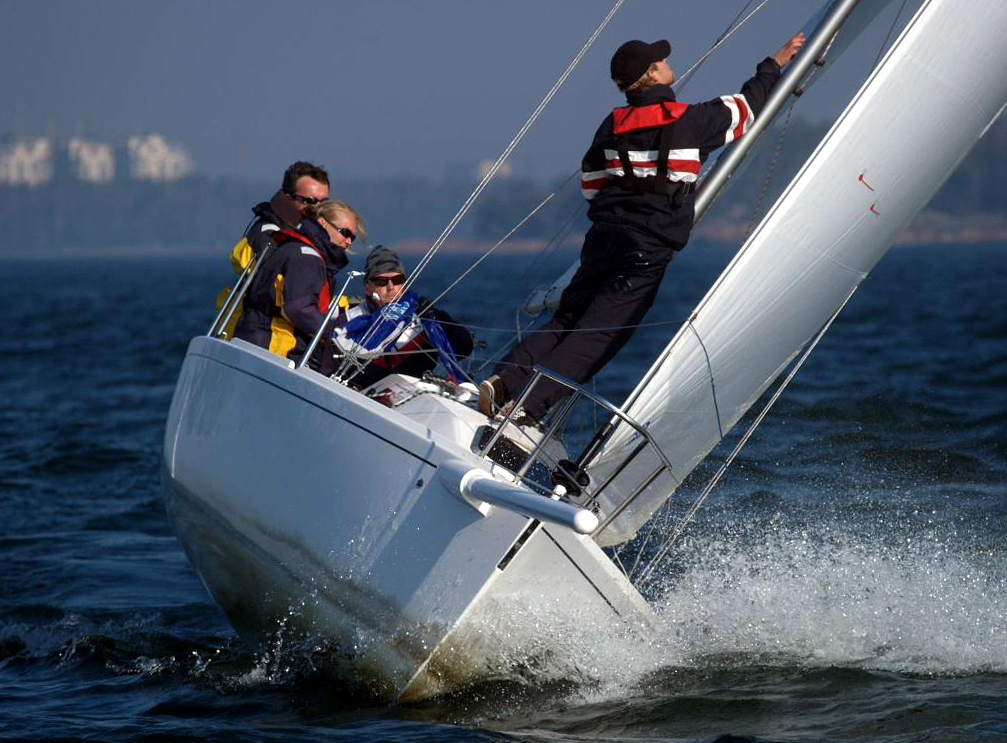
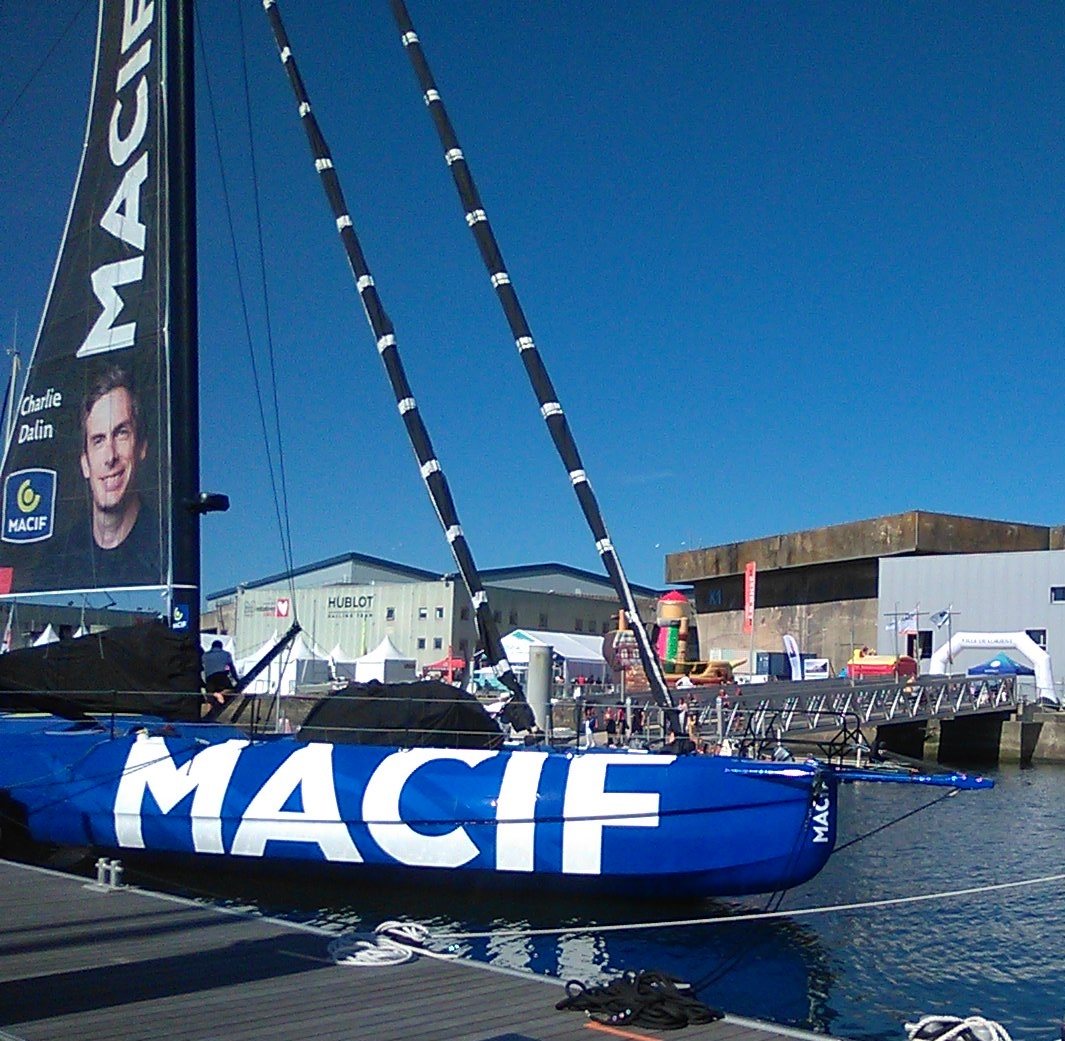
These categories overlap: hull count, rig, purpose and construction describe different aspects of a boat. One yacht can belong to several groups.
More than a fast hull
Offshore racing places sustained demands on the whole boat. Hull structure, watertight arrangements, steering, electrical power and the ability to change sails are part of performance over a long course. A protected working area or reliable autopilot may matter as much as a narrow gain in theoretical speed, especially with a small crew.
The family includes very different boats: production racer-cruisers, dedicated one-design fleets, development monohulls and large multihulls. “Offshore racer” describes the task. It does not imply that every boat has foils, a canting keel or the same equipment requirements.
IMOCA: a rule-shaped example
IMOCA demonstrates how a development class combines design freedom with fixed limits and standard components. Its official technical overview describes a 60-foot maximum hull length, canting-keel arrangements, ballast and retractable foils. Different generations do not use those features identically. A foil can add support and righting effect without making every boat fly in the same way as a small T-foil dinghy.
The boat is an integrated system: foil loads influence structure; sail choices influence stability; energy use affects how steering and instruments can operate over time. Individual headline specifications conceal those relationships.
Class rules and event requirements
Class rules define the boat; a notice of race and the applicable offshore regulations establish further event requirements. World Sailing’s Offshore Special Regulations cover structural features, equipment and training by category. A class name or a photograph cannot confirm compliance. For a meaningful comparison, record the boat generation, rule edition, sail inventory and crew format, and distinguish a published design limit from a measured boat or a race-ready configuration.
Explore real examples
- IMOCA 60 — A rule-defined family of 60-foot offshore racing prototypes, combining design freedom with demanding limits on dimensions, appendages and safety.
Sources & further reading
Technical details are based on the sources below. Our explanations are original editorial analysis, not a hands-on sea trial.
- IMOCA — Official technical overview and class rules imoca.org
- IMOCA — Design freedom and appendage development imoca.org
- World Sailing — Offshore Special Regulations sailing.org
Photography
Sources checked: . Specifications may vary by year, rig and configuration; follow the definitions used by each source.